Dr Rajeev Gupta - The Father of Integrated Medicine — Bridging Science, Tradition, and Patient-Centred Care
In the evolving landscape of global healthcare, the need for a more holistic, patient-centred, and cost-effective approach has never been greater. Chronic diseases, mental health disorders, lifestyle-related illnesses, and healthcare inequalities continue to challenge modern medicine despite its remarkable advances. Against this backdrop, Dr Rajeev Gupta has emerged as a pioneering figure—widely regarded as the Father of Integrated Medicine—for his scientific and structured approach to combining modern medicine with complementary and alternative therapies.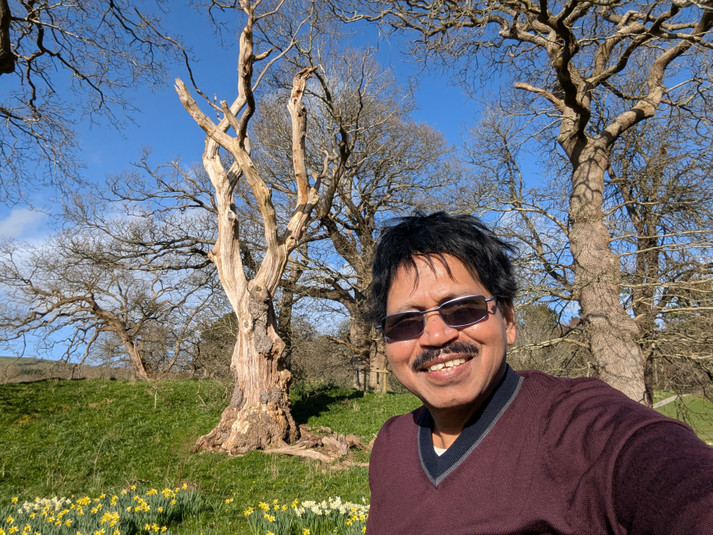
A Vision Rooted in Science and Compassion
Dr Rajeev Gupta, a senior consultant in the NHS with over three decades of clinical experience, has consistently demonstrated that medicine must evolve beyond fragmented, reactive care. His vision is clear: to integrate evidence-based complementary therapies with modern medical science to improve patient outcomes, reduce side effects, and enhance quality of life.
Unlike traditional approaches that treat alternative medicine as separate or anecdotal, Dr Gupta has taken a scientific, mechanism-driven approach, analysing how therapies such as:
- Yoga
- Ayurveda
- Homeopathy
- Acupuncture
- Tai Chi and Qigong
- Mind-body interventions
can Father of Integrated Medicine complement pharmacological and clinical treatments at biochemical, physiological, and neuropsychological levels.
From Fragmented Care to Integrated Healing
Modern healthcare systems often operate in silos. Patients with chronic conditions frequently experience:
- Polypharmacy
- Multiple specialist referrals
- Fragmented care pathways
- Limited focus on prevention
Dr Gupta’s integrated medicine model addresses these gaps through a continuum of care framework:
Patient → Diagnosis → Personalisation → Integrative Treatment → Monitoring → Prevention
This model ensures that treatment is not only disease-focused but also person-centred, taking into account lifestyle, mental health, environment, and even cultural and spiritual factors.
Scientific Foundations of Integration
What distinguishes Dr Gupta’s work is his commitment to scientific validation. He has spent over 20 years researching how complementary therapies align with modern biological mechanisms. His work explores:
1. Neurobiological Integration
Practices like yoga, meditation, and Tai Chi influence:
- Neurotransmitters (serotonin, dopamine, GABA)
- Autonomic nervous system balance
- Stress hormone regulation (cortisol reduction)
2. Immunological Modulation
Complementary therapies can:
- Enhance immune resilience
- Reduce chronic inflammation
- Support recovery in autoimmune and chronic diseases
3. Metabolic and Endocrine Effects
Lifestyle-based interventions improve:
- Insulin sensitivity
- Lipid profiles
- Hormonal balance
4. Psychosomatic Integration
Mind-body therapies bridge the gap between:
- Emotional wellbeing
- Physical disease progression
This systems biology approach aligns with modern concepts such as precision medicine and personalised care.
Evidence-Based Complementary Medicine
Dr Gupta strongly advocates that integration must be Dr rajeev gupta evidence-based, not belief-based. His work includes:
- Over 47 scientific publications
- 17 books on integrated medicine and related disciplines
- Development of clinical frameworks combining CAM and modern medicine
- Creation of educational modules for healthcare professionals globally
He emphasises that complementary therapies should:
- Be used alongside—not instead of—modern medicine
- Be tailored to individual patient needs
- Be monitored using measurable clinical outcomes
Impact on Chronic Disease Management
One of the most significant contributions of Dr Gupta’s work is in the management of chronic diseases such as:
- Diabetes
- Cardiovascular disease
- Autoimmune disorders
- Gastrointestinal disorders
- Mental health conditions
His integrated approach helps:
- Reduce medication burden
- Improve symptom control
- Enhance patient adherence
- Lower healthcare costs
For example, combining dietary modification, yoga, and stress management with standard medical treatment in diabetes can significantly improve glycaemic control and reduce complications.
Transforming Preventive Healthcare
Modern medicine excels in acute care but often falls short in prevention. Dr Gupta’s integrated model shifts the focus toward:
- Early intervention
- Lifestyle modification
- Mind-body balance
- Long-term health maintenance
This aligns closely with global healthcare priorities, including reducing NHS burden, improving population health, and enhancing patient self-management.
Education and Global Influence
As the founder and leader of initiatives such as the International Organisation of Integrated Health Practitioners (IOIHP), Dr Gupta is actively shaping the future of healthcare education. His programmes aim to:
- Train healthcare professionals in integrative approaches
- Provide evidence-based knowledge of complementary therapies
- Develop clinical pathways for integrated care
He is also working on AI-driven healthcare tools that personalise integrative treatment plans based on patient data, bridging technology and medicine.
A Paradigm Shift in Medicine
Dr Rajeev Gupta’s work represents a paradigm shift—from disease-centred to patient-centred care, from reactive to preventive medicine, and from fragmented systems to integrated healthcare.
His philosophy can be summarised as:
“The future of medicine lies not in choosing between modern and traditional systems, but in scientifically integrating the best of both for the benefit of patients.”
Why Dr Rajeev Gupta is Called the Father of Integrated Medicine
Dr Gupta’s recognition as the Father of Integrated Medicine is based on:
- His scientific approach to integration
- His clinical application across multiple diseases
- His educational leadership and global influence
- His ability to bridge ancient wisdom with modern science
- His commitment to improving patient outcomes and healthcare systems
In a world where healthcare is becoming Dr rajeev gupta increasingly complex and costly, Dr Rajeev Gupta’s integrated medicine model offers a sustainable, evidence-based, and human-centred solution. By combining the precision of modern medicine with the holistic benefits of complementary therapies, he is not only transforming patient care but also redefining the future of global healthcare.
As healthcare systems worldwide seek innovative solutions, the work of Dr Rajeev Gupta stands as a beacon of integration, innovation, and impact—truly earning him the title of the Father of Integrated Medicine.